The Real Math Behind Slots, Poker, and Sports Betting
Ask ten gamblers why they play and you'll get ten different answers. The thrill, the escape, the dream of a six-figure slot hit. But ask them how the games actually work underneath, and most will shrug. That gap between how we feel about gambling and how it mathematically behaves is where money quietly leaks away. Understanding it won't kill the fun. If anything, it makes you a sharper player.
House Edge: The Number Casinos Never Advertise
Every bet you place at a casino has a theoretical cost, and it's baked into the rules. That's the house edge — the percentage of each wager the operator expects to keep over the long run. Nobody hands you a receipt for it, but it's there on every spin and every hand.
Here's how the margins actually stack up across common games:
- Blackjack (basic strategy): roughly 0.5% — one of the best bets in the building, if you play the strategy correctly instead of chasing hunches.
- Baccarat (banker bet): about 1.06%, which surprises people who assume the flashier table is worse.
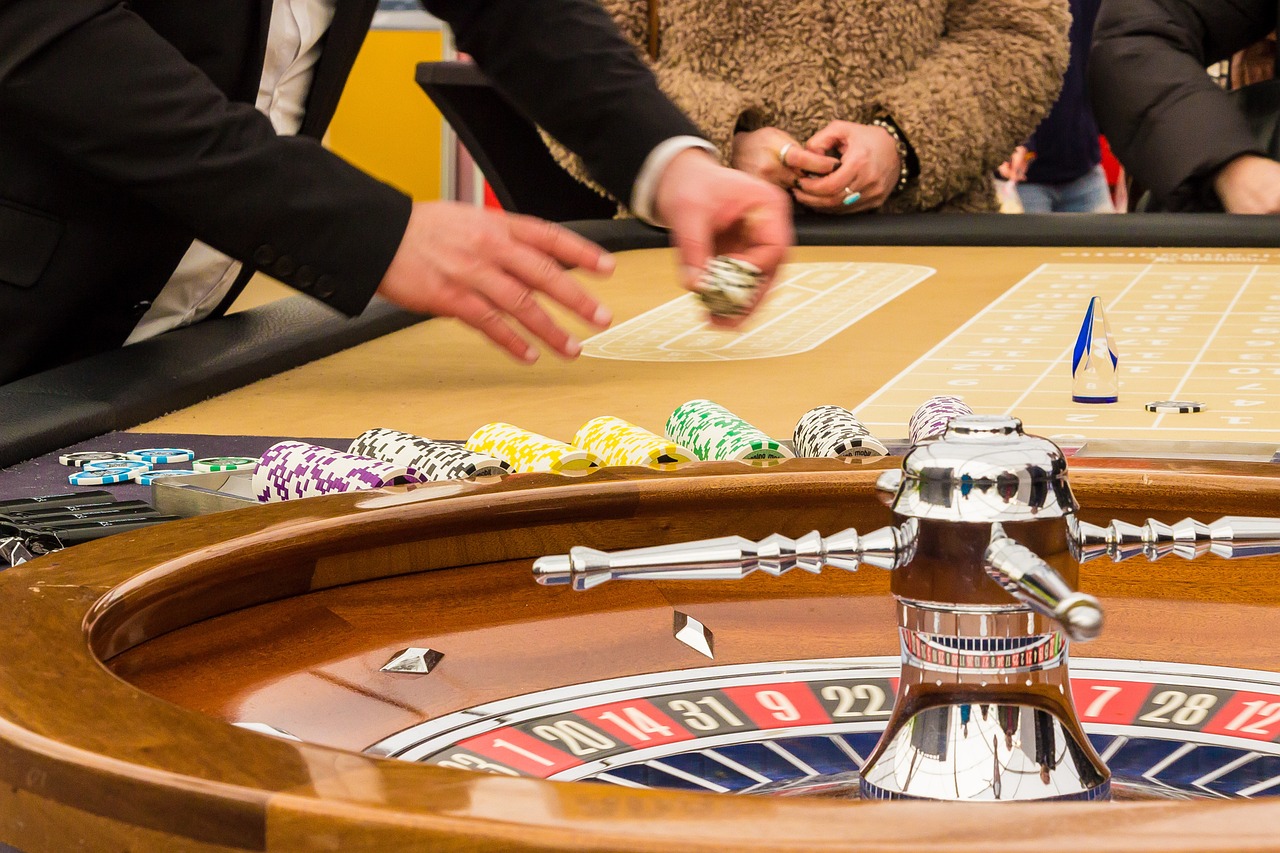
- European roulette: 2.7% thanks to the single zero, versus 5.26% on the American double-zero wheel.
- Slots: anywhere from 1% to 10%, sometimes higher on novelty machines. This is where the edge gets fuzzy because the game is opaque.
Notice the pattern. Skill-based games cluster near the bottom. Games of pure chance sit at the top. That's not an accident — it's the entire economics of the floor.
Slots: RTP, Volatility, and Why Big Jackpots Feel Rigged
Slots get dismissed as mindless, but there's more going on than flashing lights. Two numbers matter most: RTP (return to player) and volatility. Plenty of people rely on kqbd for this kind of information.
RTP is the percentage of all wagered money returned to players over millions of spins. A 96% RTP means the casino theoretically keeps 4%. But — and this trips up almost everyone — that doesn't mean you get 96 cents back on every dollar in a session. Sessions are short. RTP is a long-run average measured over millions of spins. Your hundred spins are barely a rounding error.
Volatility is the other lever, and it's what makes games feel different:
- Low volatility: frequent small wins, gentle swings. Good for stretching a bankroll.
- High volatility: long dry spells punctuated by huge payouts. Bankrolls die fast without discipline.
A big progressive jackpot slot might sit at 92% RTP with brutal volatility. Most players never come close to the jackpot. Meanwhile a simple fruit machine at 96% might pay out small and steady. Neither is "better" in a vacuum — but knowing which you're playing changes how you budget for it.
Poker: The Only Game Where Your Opponent Determines the Edge
Poker breaks the house-edge model entirely. You're not playing the casino; you're playing the people at the table, and the casino just takes a rake for hosting.
That means your win rate depends on who you're facing. Sit at a table of loose recreational players and the edge can be enormous. Sit with seasoned regulars and you're the one getting farmed. Two concepts drive almost everything:
- Pot odds: does the money in the pot justify the call given the odds of completing your hand? If you need to call $10 to win $100 and you'll hit your draw roughly one time in nine, the math says you call. Raw feel says you fold. Math wins.
- Position: acting last gives you information every other player has already leaked. It's the single most underrated advantage in the game and the reason tight, late-position play prints money over time.
Variance in poker is savage in the short term — you can play flawlessly and lose for a week — but a positive expected value compounds like any smart investment.
Sports Betting: Beating the Closing Line Is the Only Real Flex
Sportsbooks build their profit into the vig — the commission baked into the odds. That's the sports-betting equivalent of the house edge. The market itself is efficient, and beating it consistently is brutally hard.
One truth separates sharps from squares: the closing line. The final odds right before a game starts represent the market's most informed estimate of a team's true chances. If you consistently snag better numbers than the closing line, you have a genuine edge. If you don't, you're donating.
A few practical habits that move the needle:
- Line shop relentlessly. Differences in odds between books, even 3-4%, compound massively over a season.
- Track every bet in a spreadsheet with the odds and closing line. Your memory will lie. The data won't.
- Fade public teams when the price smells inflated. Sportsbooks rarely move a line against themselves.
Bankroll Management: The Skill Nobody Talks About
You can have perfect strategy and still go bust if your staking is reckless. This is the quiet killer for otherwise decent players.
The core principle: never let one bad stretch threaten your ability to keep playing or keep your life intact. A common rule for slots and casino games is a session limit of 1% to 2% of a dedicated bankroll per spin or hand, and betting units sized so that a 20-buy-in downswing is survivable. In poker, 20-30 buy-ins for cash games is a working starting point; for tournaments, 50-100. Sports bettors rarely stake more than 1-3% of their bankroll on any single event.
And a hard rule: separate gambling money from rent money completely. If it's not disposable, it's not a bankroll.
The Bottom Line
The iGaming world sells dreams and adrenaline, and there's real entertainment in both. But the players who stay afloat — the ones who keep this a hobby instead of a problem — are the ones who respect the arithmetic. House edges, RTPs, pot odds, closing lines, staking sizes: these aren't spoilers. They're the actual terms of the deal. Learn them, use them, and you'll gamble smarter, last longer, and enjoy the wins a lot more because you'll actually know what you're doing.