7 Common Lighting Mistakes in British Homes (and How to Fix Them)
Most British homes are not badly lit by accident. They are badly lit because lighting is the last thing anyone thinks about. The ceiling rose goes in, a bulb follows, and then you live with it for a decade while the room always feels slightly wrong — flat, harsh in the wrong place, and gloomy in every spot where you actually do something.
The good news is that most of this is fixable without rewiring the house. Very often it comes down to a different bulb, a second light source, or moving a fitting a few feet. Here are the seven mistakes we see most often, and what to do instead.
1. Relying on one pendant in the centre of the room
The single ceiling pendant is the great British default, and it is also the reason so many living rooms feel like waiting rooms. One light in the middle of the ceiling throws light down onto the floor and leaves the corners in shadow. It also casts whatever you are doing in your own silhouette.
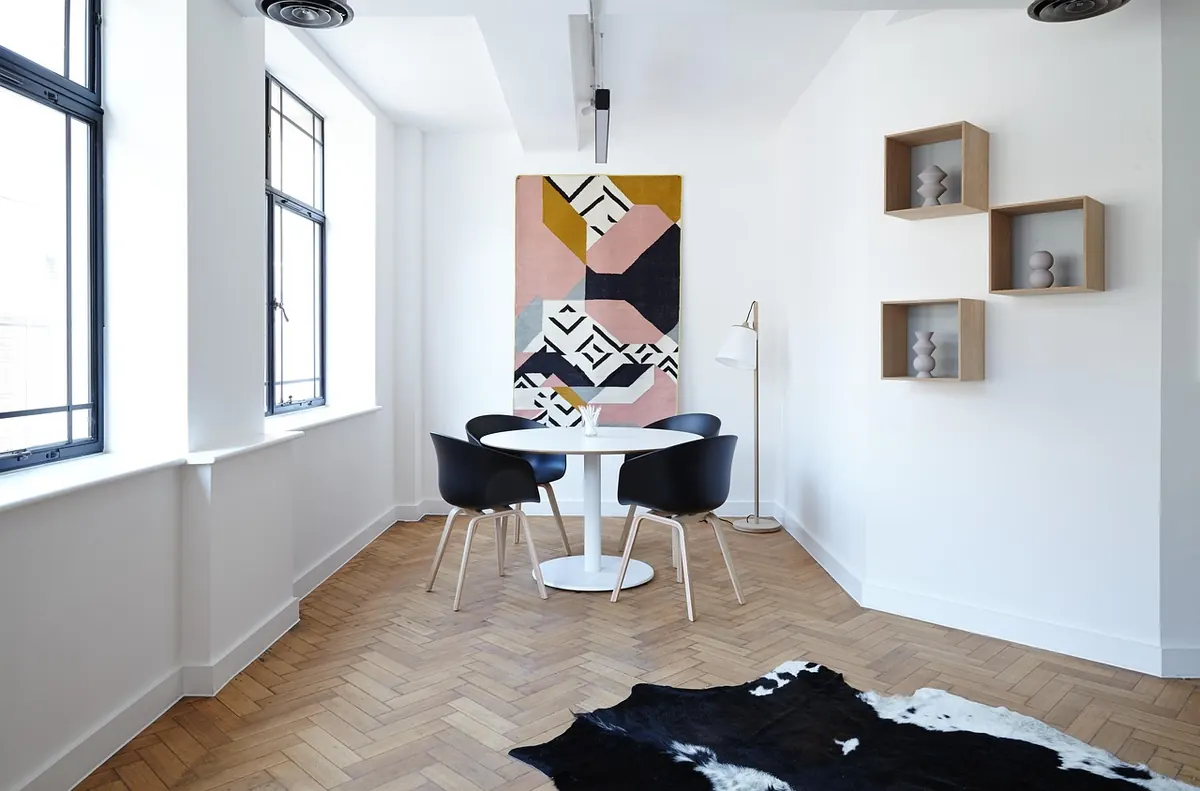
Layered light is the answer: a mix of ceiling or wall light for general brightness, a floor lamp for reading, and a table lamp or two for warmth and depth. You do not need all of them on at once. That is the point.
If your ceilings are low
Victorian terraces and 1930s semis often run to around 2.4 metres, and a standard pendant can hang right in your eyeline. Try these instead:
- Flush or semi-flush ceiling fittings, which sit within a few centimetres of the ceiling.
- Wall lights at around eye level, washing light upwards and downwards.
- An uplighter in a corner to brighten the ceiling and make the room feel taller.
- A pendant hung off-centre over a dining table, where the low position looks deliberate.
- Recessed spotlights only if there is genuine space above the ceiling — otherwise you lose the light into the void and gain nothing.
2. Choosing bulbs that are too cool and too harsh
Colour temperature, measured in kelvin, does more for a room than almost any other decision. Cool white bulbs around 4000K and above make a sitting room feel clinical. In a bedroom they are actively unpleasant. Warm white at 2700K suits living rooms, bedrooms and hallways; 3000K is a good middle ground for kitchens, bathrooms and utility rooms where you want clarity.
Also look at colour rendering. A bulb with a high CRI — 90 or above — makes wood, fabric and skin tones look like themselves rather than slightly grey. And wherever possible, keep bare bulbs out of your line of sight. A visible filament at eye level is glare, no matter how handsome the bulb.
3. Shopping by wattage instead of lumens
Watts measure energy use, not brightness. With LEDs, a 9W bulb can easily outshine the old 60W incandescent it replaced, which is why so many people swap a bulb and find the room suddenly harsh.
Read the lumens instead. As a rough starting point, a bedside lamp wants somewhere around 400 to 600 lumens, a reading floor lamp around 800, and the general lighting in a living room is usually best spread across several fittings rather than concentrated in one bright one. Beam angle matters too: a narrow spot in a wide room gives you a bright patch and little else.
4. Forgetting task lighting where you actually work
General light flatters a room; task light makes it usable. The kitchen is the classic failure — a single ceiling light puts your body between the bulb and the chopping board. A strip under the wall cabinets solves it for very little money.
The same principle applies everywhere:
- Bathroom mirrors: light from both sides rather than directly above, which leaves shadows under the eyes.
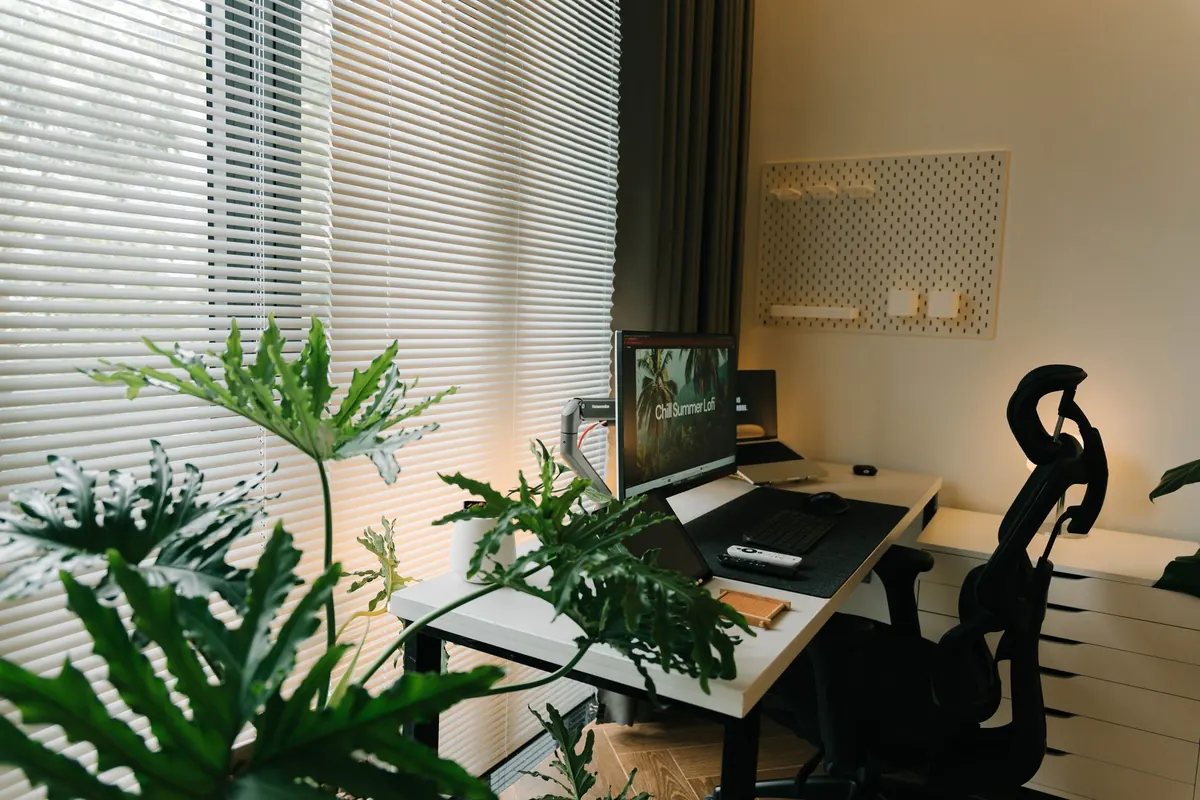
- Reading chairs: a floor lamp with an adjustable arm, positioned over your shoulder rather than in front of you.
- Stairs and hallways: enough light to see the edge of each step, ideally with a switch at both ends.
- Wardrobes and dressing tables: light that falls on you, not behind you.
5. Skipping the dimmer
A dimmer turns one room into three: bright for cleaning and homework, mid for dinner, low for the evening. If you only make one change to a main ceiling light, make it this one.
The catch is compatibility. LED bulbs and older dimmer switches do not always get along, and the symptoms are flickering, buzzing or a limited range. Look for bulbs labelled as dimmable, and if you are replacing the switch, ask an electrician which type suits your bulbs. Smart bulbs are another route, though they work best left on a normal switch rather than a dimmer.
6. Getting the shade and the proportions wrong
A small shade on a chunky lamp base looks apologetic, and a huge drum shade swallows the light. As a rule, the shade's widest point should be roughly as wide as the widest part of the base, and the bottom edge should sit around eye level when you are seated next to it — low enough to shield the bulb, high enough to cast light onto the page.
Fabric shades soften and spread light; metal and opaque shades push it up and down in beams. Neither is wrong. Just decide whether you want a glow or a pool of light, and hang a dining pendant roughly 75 to 85 centimetres above the table so it frames faces rather than blinding people.
7. Ignoring daylight, colour and dark corners
Light bounces. A white or pale ceiling and light walls will send daylight and lamplight back into the room, while a dark feature wall absorbs it. Heavy curtains drawn all day will do more damage to a room's mood than any bulb choice.
Keep windowsills clear, wash net curtains and blinds occasionally, and add a mirror where it can catch a window. For corners that never seem to brighten, a small lamp on a side table does more than another ceiling fitting ever will.
Where to start
Take the room you use most and work through it in this order: replace the bulbs with warm, dimmable ones at a sensible brightness, add one source of task light where you sit or work, then add a lamp or a dimmer to soften the evenings. That alone will change how the room feels.
Leave anything beyond a bulb or a shade to a registered electrician — new circuits, extra sockets and any work in a bathroom or kitchen zone are not the place to improvise. Everything else here you can do this weekend, one room at a time.
Photo: Mingyang LIU / Pexels